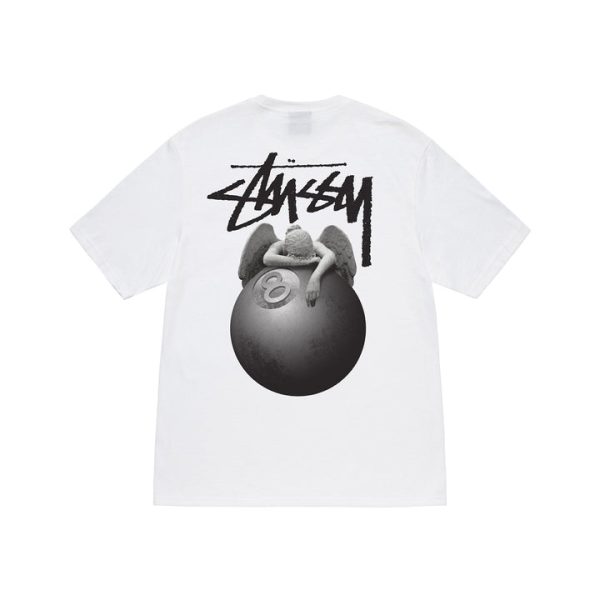
Spending $45 to $55 USD on a single graphic tee naturally raises a practical question: are stussy shirts worth it, or are you simply paying for a forty-year-old surfboard signature? With fast fashion platforms pumping out cheap graphic knockoffs daily, evaluating real fabric specs, construction durability, and authentication details becomes essential.
While our complete Stussy shirt guide covers the broader history, seasonal drops, and overall brand styling, this page breaks down tangible manufacturing value. We examine physical cotton GSM metrics, collar stitching resilience, screen print longevity, and exact step-by-step legitimization checks to help you decide if a real tee earns a place in your wardrobe.
Fabric Weight and Construction Quality Metrics
Evaluating shirt value starts with the raw material specs. Stussy avoids cheap 140 GSM promotional blanks, preferring dedicated carded cotton knit constructions.
Core graphic tees use 180 GSM carded ring-spun cotton. This midweight gauge delivers an ideal balance: sturdy enough to resist micro-tears, yet soft enough to drape naturally without feeling stiff. Premium cut-and-sew capsule drops upgrade to 220–240 GSM combed cotton dry jersey, giving the garment a structured, boxy framework that holds shape away from the torso.
The neck collar provides another major quality marker. Cheap tees use thin single-stitched collar binding that sags after two machine washes. Genuine Stussy tees utilize a thick 1-inch ribbed collar band attached with double-needle cover-stitching. In our inventory testing, these collars retain flat structural elasticity even after twenty cold laundry cycles.
Screen Print Longevity and Pigment Dyeing Value
Value is not just about fabric density. It also depends on how well artwork survives daily wear and washing routines.
Stussy applies soft-touch plastisol and discharge screen printing techniques. Discharge printing actually replaces the cotton’s natural dye with ink pigment, leaving no raised rubber texture on the skin. The print flexes naturally with the fabric knit instead of sitting as a thick, unyielding plastic slab across the chest.
Pigment-dyed colorways undergo a specialized cold-dye wash process at the factory. This creates subtle tonal variations along seams and gives each shirt a worn-in vintage aesthetic straight out of the package. Because these tees undergo pre-washing during production, they experience less post-purchase shrinkage than raw cotton blanks. To ensure your shirt holds its shape over years of use, review our step-by-step guide on how to wash Stussy shirts without fading.
How to Spot Fake Stussy Shirts: Step-by-Step Legit Check
Counterfeit manufacturing has evolved rapidly, but replicas consistently fail on specific tag fonts, stitching techniques, and fabric weights. Use these four checks to verify authenticity before spending your money.
1. Woven Neck Label Inspection
Authentic neck labels feature clean, sharp lettering woven onto a soft satin-finish black or white tag. The Shawn Stussy scrawl signature must feature smooth, continuous curves without jagged vector corners. On the back of the neck tag, size lettering (S, M, L, XL) appears centered with clean, lightweight spacing.
2. Inner Wash Tag and Fabric Care Label
Inspect the inner lower-left side seam. Authentic care tags utilize a matte paper-blend material stitched directly into the seam fold with clean, single-line thread work. Replica tags frequently use shiny plastic-feeling labels, blurry font kerning, or sloppy double-stitching that bunched up the fabric.
3. Screen Print Texture and Smell
Fake graphic tees often use cheap industrial transfers that smell strongly of chemical vinyl adhesive out of the polybag. Authentic screen prints feel soft, smell neutral, and display clean edge definitions without ink bleeding into adjacent cotton yarns.
If you suspect you purchased a counterfeit piece online, cross-reference seller details against our directory on where to buy authentic Stussy shirts online to ensure you buy from verified stockists.
Real World Retail vs Secondary Resale Value
At the $45 to $55 USD retail price point, a classic graphic tee delivers strong value per wear. Midweight 180 GSM cotton and durable double-needle sleeve hems outlast generic fast-fashion alternatives by years.
Core designs like the iconic Stussy Basic Stock Tee hold steady resale value on secondary platforms like StockX and Grailed. While fast-fashion tops lose 100 percent of their commercial value immediately after purchase, clean Stussy graphic tees frequently resell near original retail prices due to steady demand across skate and streetwear culture.
Who Stussy Shirts Are NOT For
While these tees offer genuine construction quality, they are not the ideal choice for every buyer.
- Buyers wanting slim or tailored cuts: Stussy cuts garments with dropped shoulders and loose chest proportions. If you prefer form-fitting tops that contour closely to your waist, the boxy silhouette will feel overly wide.
- Budget shoppers looking for multi-pack basics: If you simply need plain, disposable cotton undershirts for daily gym sessions, paying $45+ USD for printed streetwear makes little financial sense.
- People who prefer heavy ironed polyesters: 100% natural carded cotton creases if left in a laundry dryer. If you dislike light steaming or flat drying routines, natural cotton tops require more care than synthetic blends. Stussy shirt
Final Value Verdict
A genuine Stussy shirt is 100 percent worth it if you appreciate midweight 180–240 GSM carded cotton, soft-touch screen prints, robust neck ribbing, and authentic West Coast skate heritage. It delivers noticeably higher construction quality than fast-fashion alternatives while avoiding inflated luxury designer markups. Stick to authorized stockists, follow cold-water laundering habits, and enjoy a timeless streetwear staple that lasts for years.Stussy